Feeding off the stimuli
 Julia Florczykk
 Nothing looks for artists whose ideas already sit close to its own.
Julia works mostly in visual effects, though not only. We talked about what she puts into the work, and what other people read out of it.
Is there something your work keeps returning to that you haven't fully explained, even to yourself?
I think there are two things my work keeps returning to, even if I don't fully understand them or know how to put them into words.
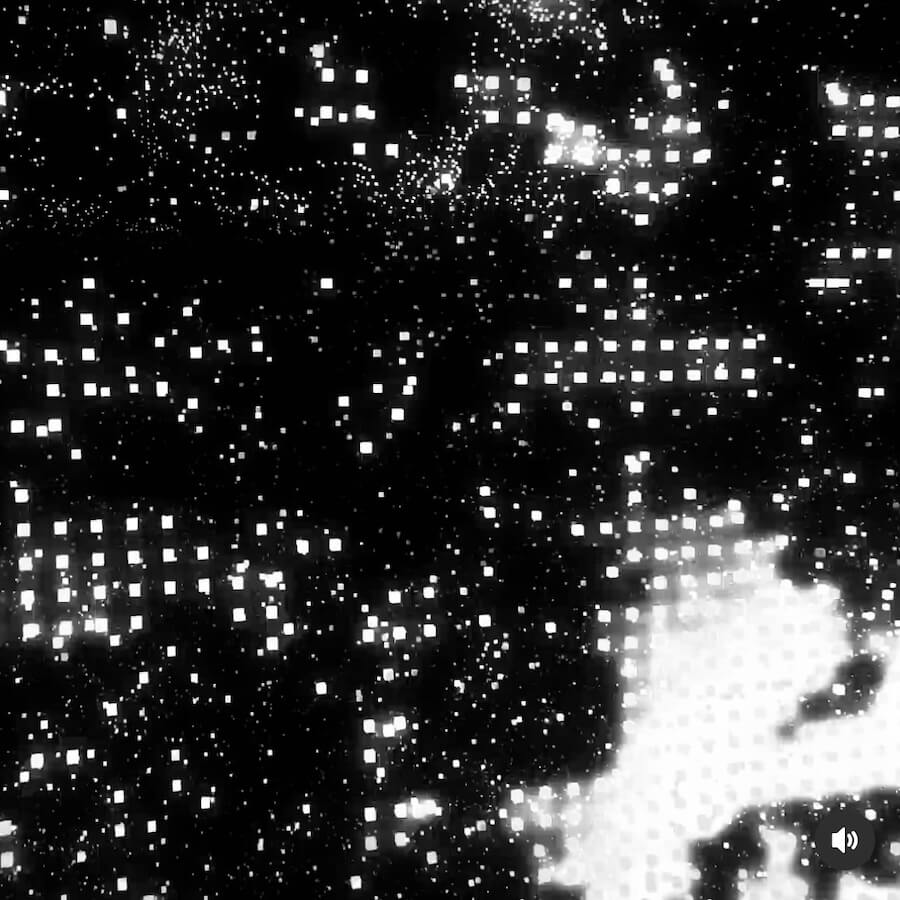
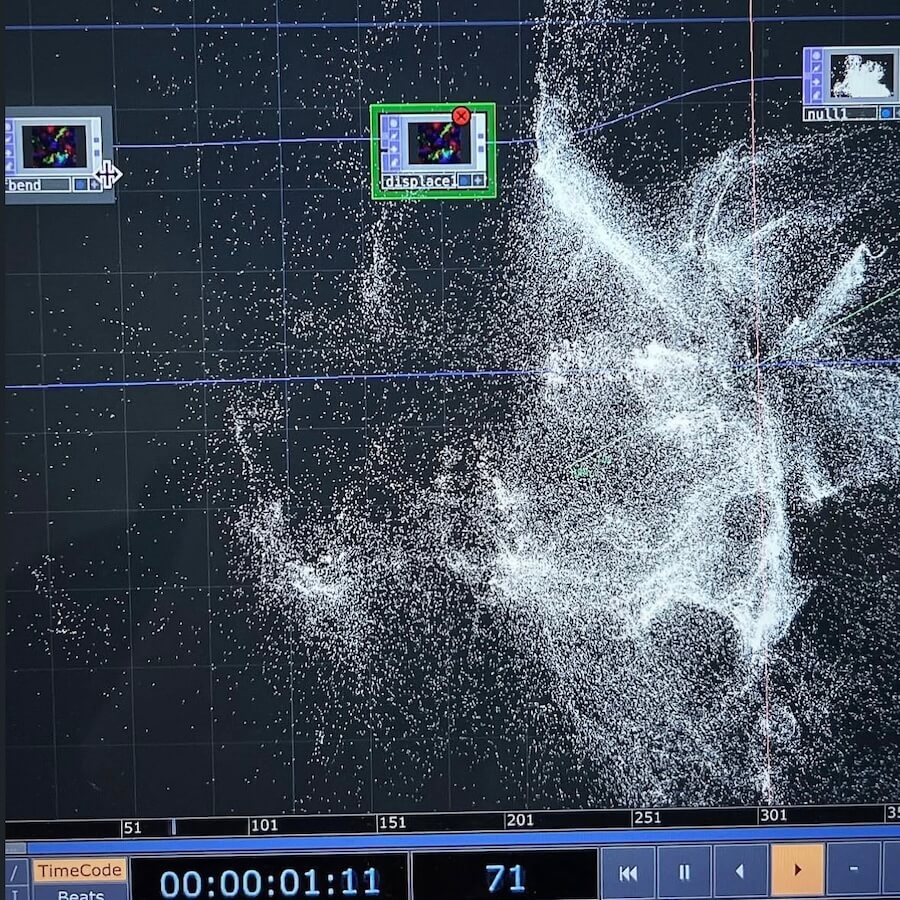
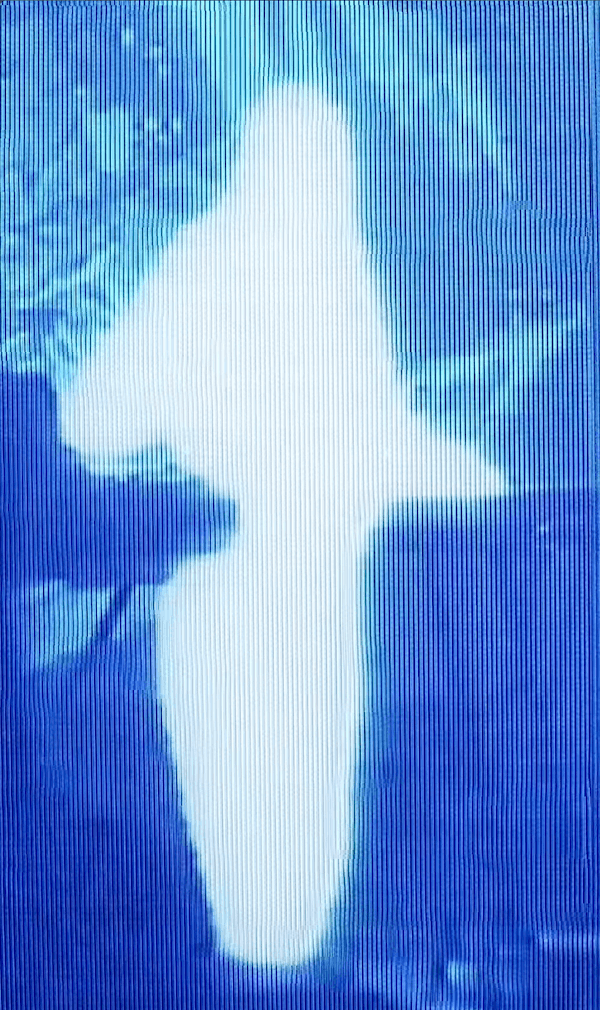
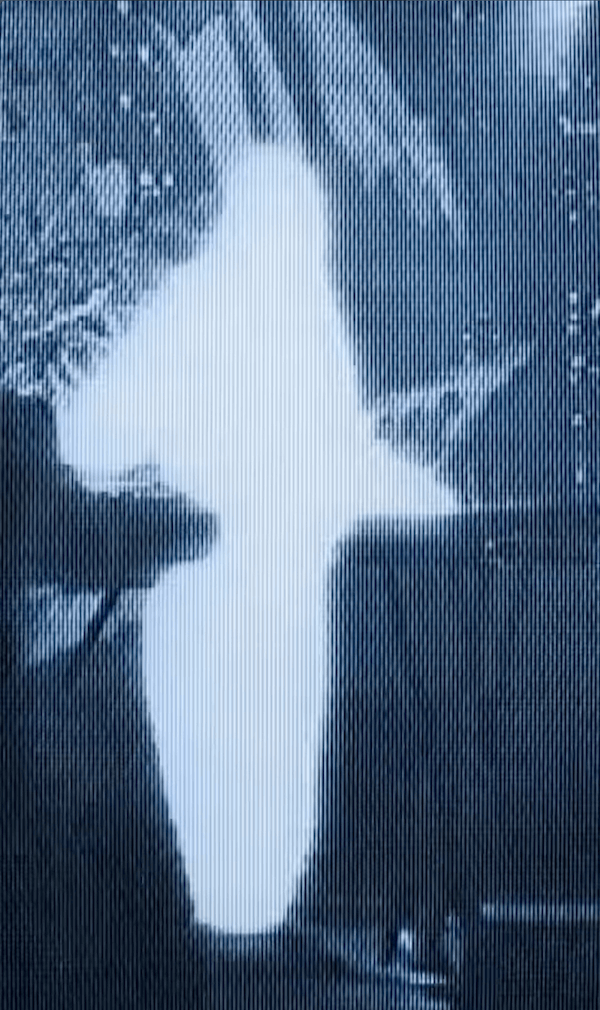
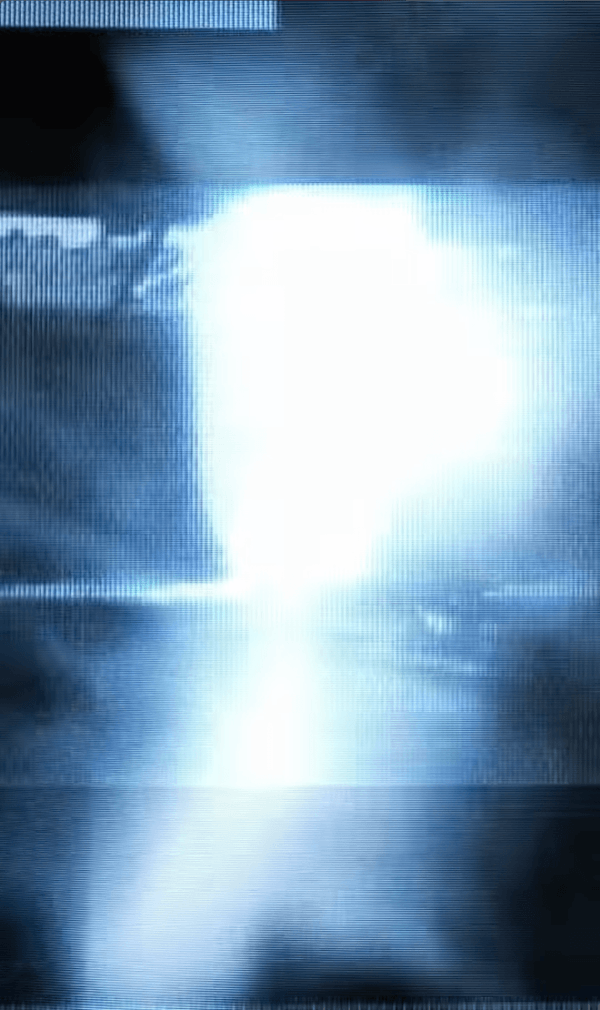
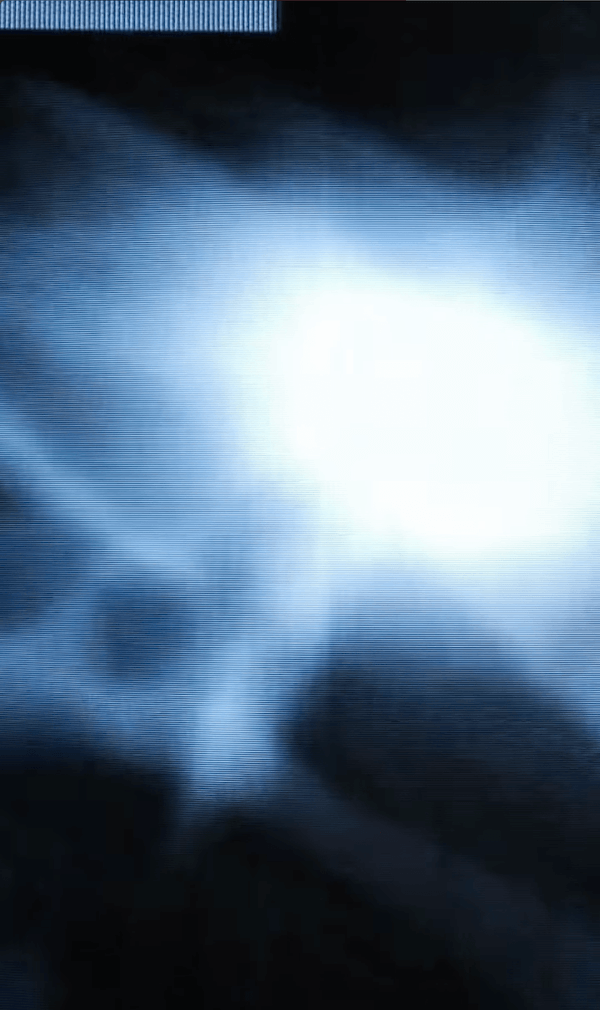
The first one is a kind of sensory overload. My creative process itself is quite intense. I work with loops, layer multiple videos, and add more and more operators where each controls different aspects of the video. Usually there's music playing on a loop the entire time, and it's that rhythm that guides me as I build the project. In some sense, the work arises from being submerged in a constant stream of stimuli, as if I'm "feeding" off them while I create.
The second thing is more emotional, but also harder to name. My earlier work was more directly connected to specific personal themes. Now it looks much different visually, but I feel like that emotional layer never disappeared. I still translate my inner states into what I create. I just don't always have the language to explain what exactly they are. It's more about conveying a feeling than defining it.
How much of what you make is meant to be understood, and how much is meant to be felt or left open?
I create visual art, but the form of my work isn't always rooted in one specific, profound meaning. I used to create pieces with much clearer messages — they were a way for me to channel my emotions, usually the difficult ones. Now I create something completely different. While some of my works are more directed, many remain open to any interpretation.
That's what I find most fascinating: we all have our own unique sensitivity and way of perceiving things, so two people can look at the same piece and see something entirely different.
You don't have to understand everything. What matters is that the experience is authentic, even if it's not obvious.
You don't have to understand everything. What matters is that the experience is authentic, even if it's not obvious.
NOT is built around the idea that meaning isn't fixed. Does that match how you think about your own work, or contrast with it?
It suits my thinking. A large part of what I do is intuitive, so the meaning is never fixed from the start. I let the meaning emerge during the process or even after it's finished. I like the idea that the meaning of a work can change depending on who is watching and when.
Your work is mostly experienced live, in dark rooms, often once. Does the ephemerality bother you, or is that part of what makes it work?
The ephemerality doesn't bother me. Sometimes I feel that when something disappears, it stays in your memory much longer than things that are accessible all the time. It makes the experience more personal and intense.
There's a lot of distortion and signal degradation in your visuals. Is that a formal choice, or does it come from somewhere else?
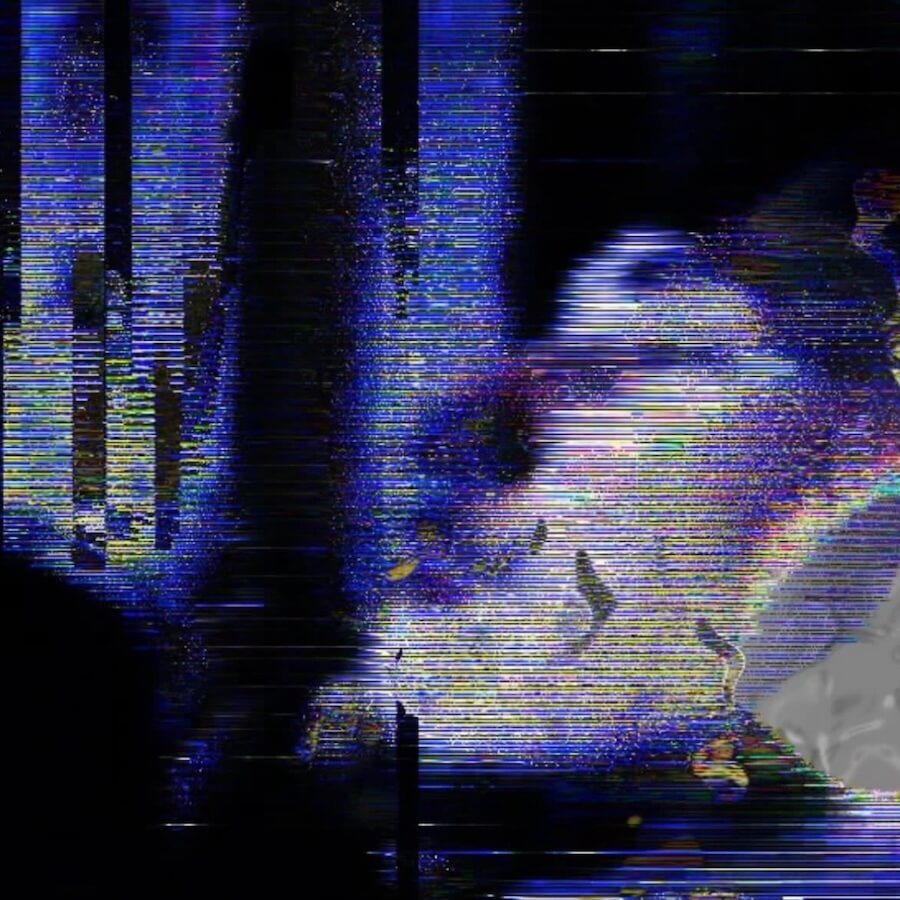
To be honest, I never really planned it. As I kept creating, my style just naturally started to shape in this direction. There isn't one specific reason behind it. It all developed quite intuitively. I like when there's a lot happening in the videos I create. I usually just turn on the music and follow it, letting it guide me.
The distortion feels like a natural language for the intensity I'm trying to capture.
Who were you making work for when you started, and has that changed?
From the beginning, I was creating mainly for myself. I started by learning the software and mostly wanted to document my progress, so I decided to share it on Instagram. I let go of the pressure of whether something was good enough and just posted projects I was happy with, without overthinking it. That also gave me extra motivation to stay consistent, because I really got into it and became obsessed with making things.
Now I don't create only for myself, but also for others — musicians and beyond. So it started with sharing my progress, then moved into VJing, and now I create videos for people who are interested in this kind of visual work.
What means nothing to you?
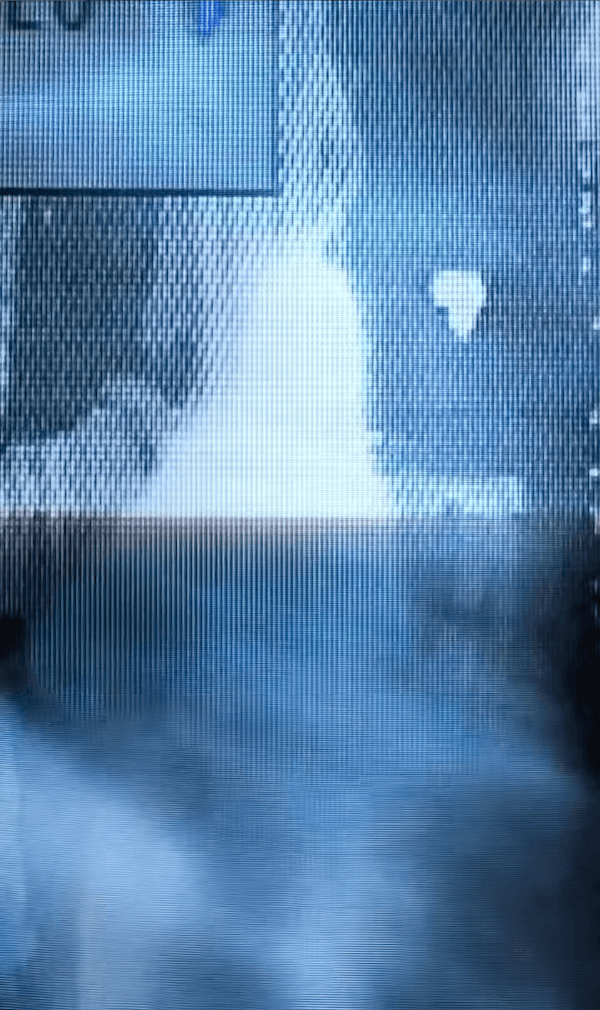
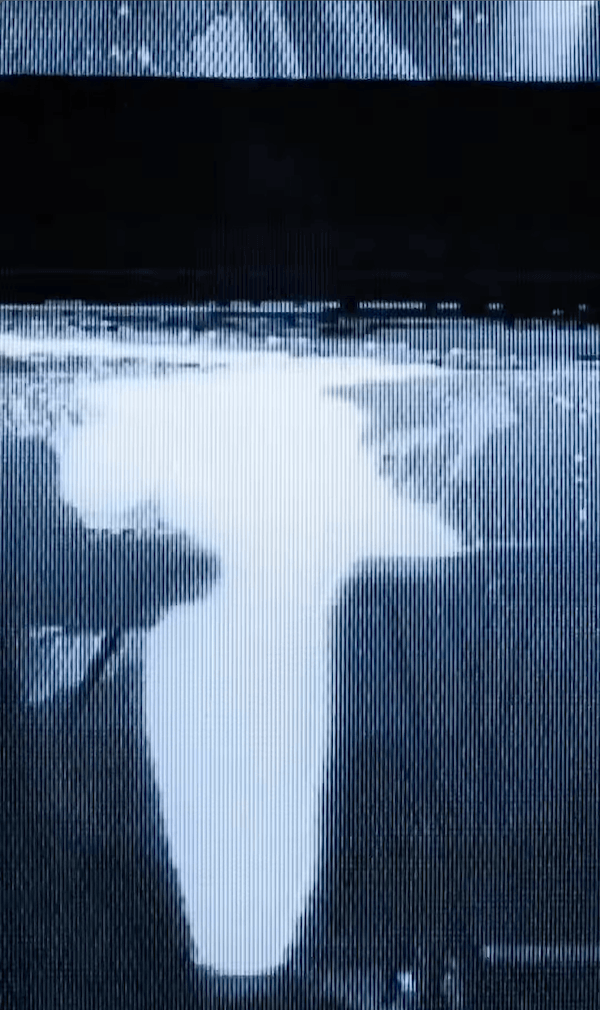
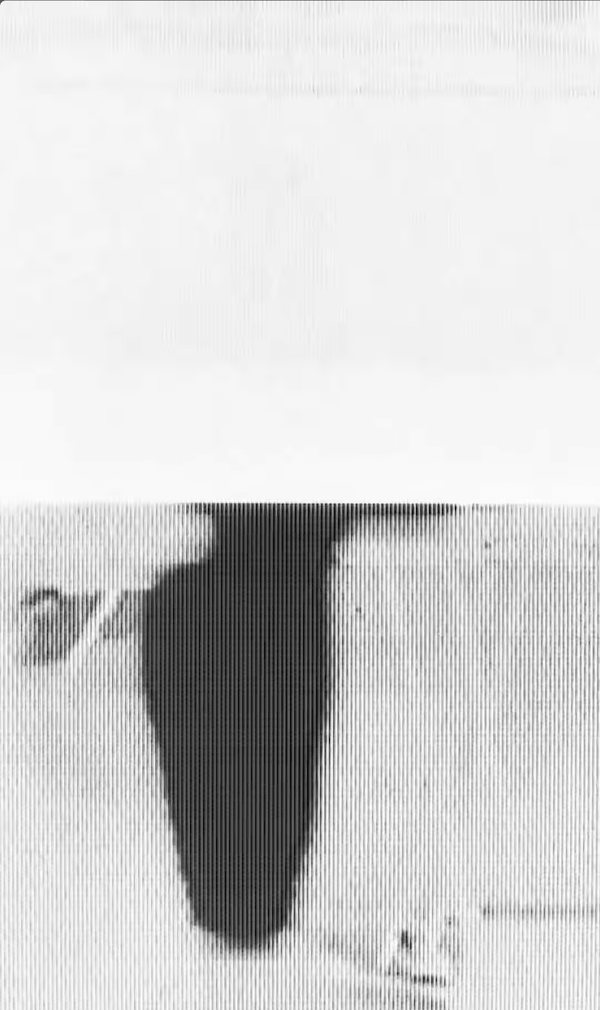
Nothing feels like a space to me. It’s not something concrete, it feels open and expansive. It’s a place where you don’t have to react immediately or understand everything right away. I associate it with calmness, but also with chaos. That’s why “nothing” doesn’t feel empty to me.
the file is in original quality, so give it time to load
you can find fast content with shitty quality in social media
from artist to be honest i don’t have a specific text or synopsis for these hah. I just picked the tracks I love and let the vision flow. i wanted the visuals to capture that raw density of music without over-explaining it